ช่วงเวลาที่ดีที่สุดในการเดินทางไปบาหลี – คู่มือฤดูกาลสำหรับปี 2025
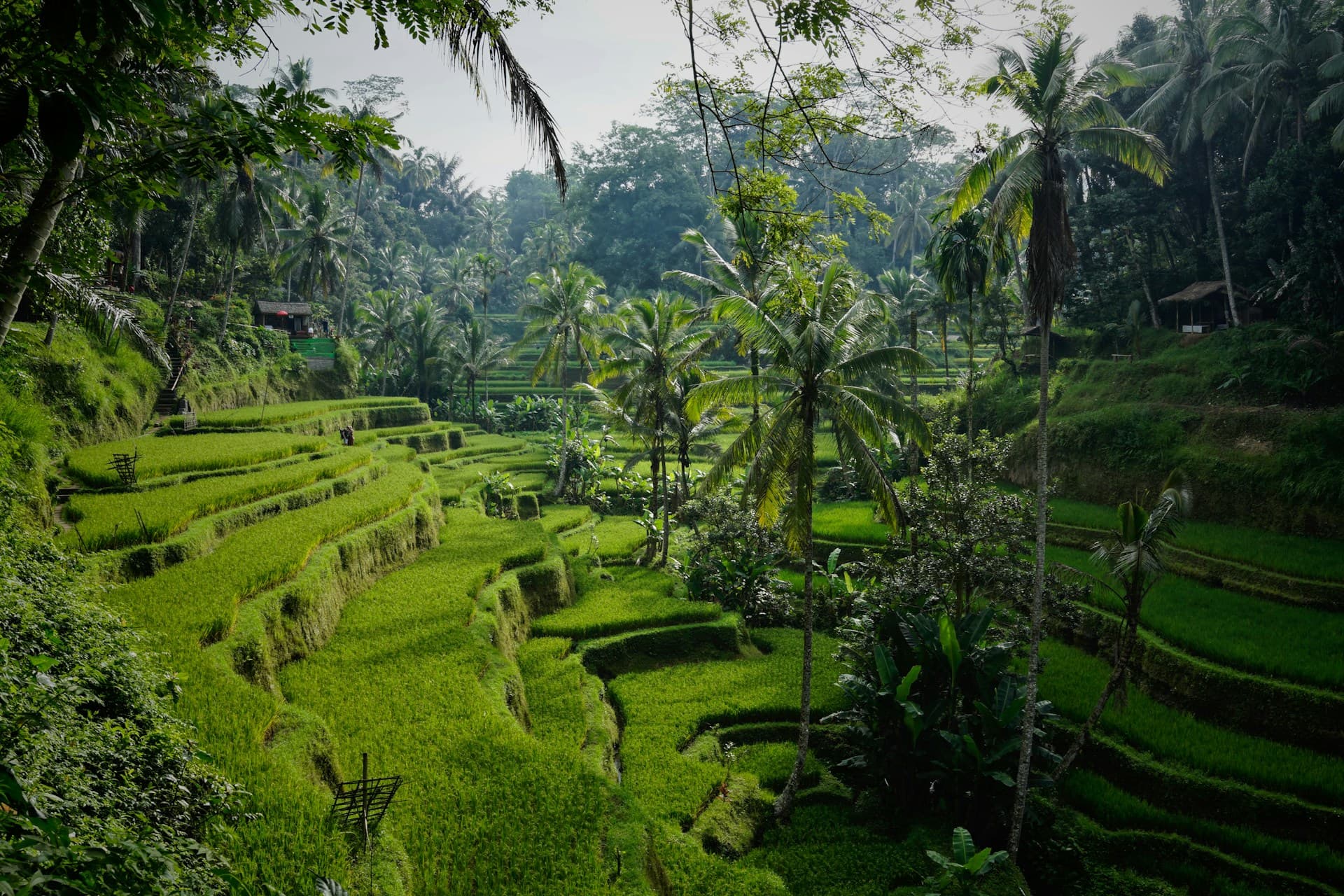
ช่วงเวลาที่ดีที่สุดในการเยือนบาหลี: คู่มือครบถ้วนเกี่ยวกับสภาพอากาศ เทศกาล และอื่นๆ
สภาพอากาศเขตร้อนตลอดปีของบาหลี ชายหาดในฝัน และวัฒนธรรมที่มีชีวิตชีวาทำให้เป็นหนึ่งในจุดหมายปลายทางยอดนิยมที่สุดในโลก เกาะแห่งนี้มีสองฤดูหลัก—ฤดูฝนและฤดูแล้ง—และแต่ละฤดูมาพร้อมกับข้อดีสำหรับนักเดินทาง ไม่ว่าคุณจะเป็นผู้ที่ชื่นชอบแสงแดด นักสำรวจวัฒนธรรม หรือคนทำงานระยะไกลที่มองหาการพักระยะยาว นี่คือทุกสิ่งที่คุณจำเป็นต้องรู้เกี่ยวกับช่วงเวลาที่ดีที่สุดในการเยือนบาหลี.
แหล่งข้อมูล: roadgenius.com, holiday-weather.com
ภาพรวมสภาพอากาศที่บาหลี
ฤดูแล้ง
เมษายนถึงตุลาคม
กิจกรรมสำคัญ
สัมผัสศิลปะบาหลีด้วยดนตรีพื้นบ้าน การเชิดหุ่น การขบวนแห่ และงานฝีมือ.
เฉลิมฉลองอาหารและวัฒนธรรมอินโดนีเซีย—เหมาะสำหรับคนรักอาหาร.
ชมท้องฟ้าที่เปล่งประกายด้วยสีสัน ขณะที่หมู่บ้านต่างแข่งขันกันด้วยว่าวพื้นบ้านของพวกเขา.
ฤดูฝน
พฤศจิกายนถึงมีนาคม
กิจกรรมสำคัญ
เพลิดเพลินกับการแสดงที่น่าหลงใหลของโคมไฟขนาดเท่าตัวและแสงไฟระยิบระยับ เป็นวิธีที่ไม่เหมือนใครในการสัมผัสวัฒนธรรมบาหลีใต้ท้องฟ้าที่เต็มไปด้วยประกายระยิบระยับ.
ฤดูแล้งของบาหลี (เมษายนถึงตุลาคม)
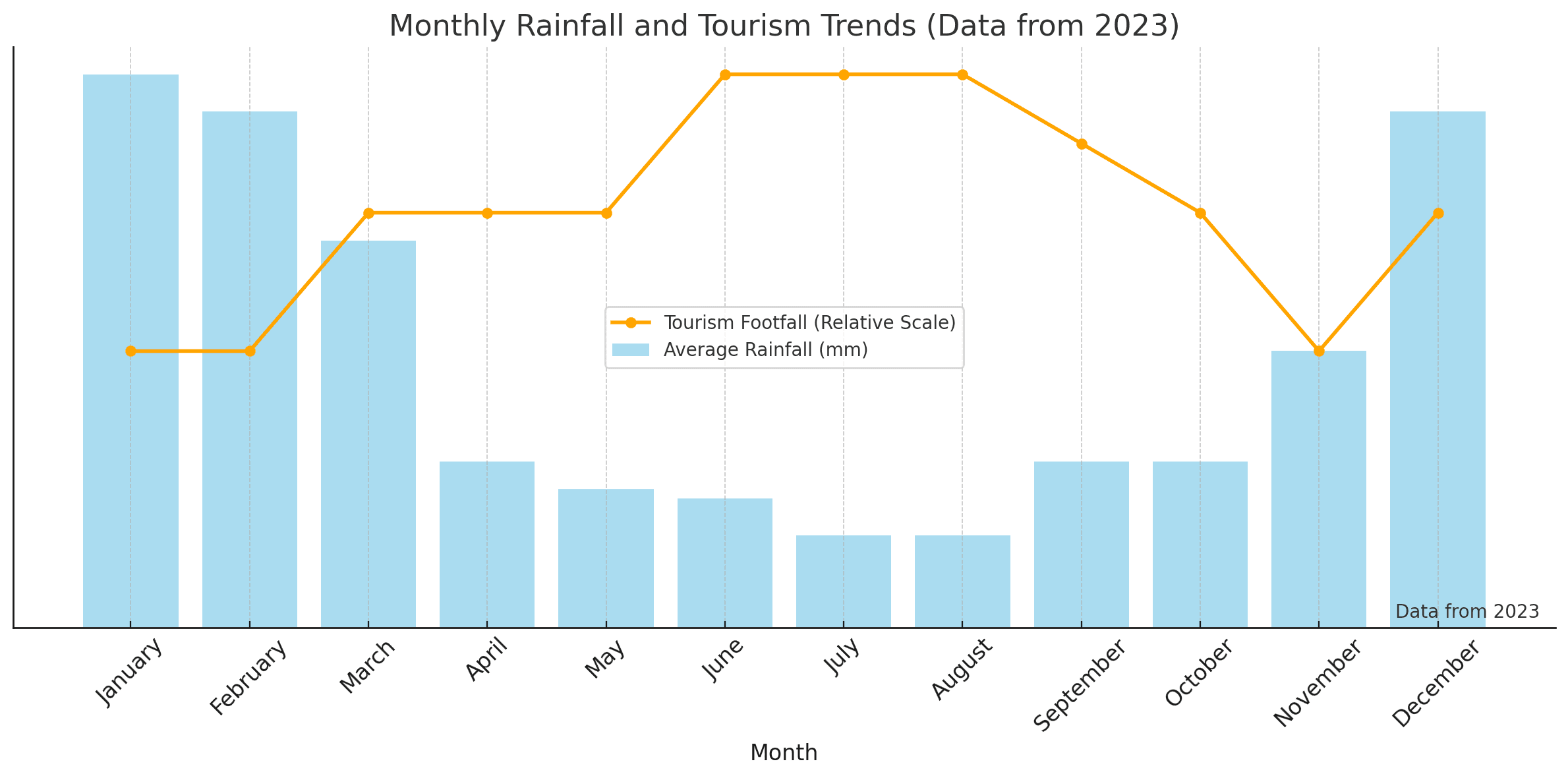
สภาพอากาศ: ฤดูแล้งมีท้องฟ้าแจ่มใสเป็นส่วนใหญ่ ลมพัดเบา ๆ และอุณหภูมิเฉลี่ยอยู่ระหว่าง 27°C ถึง 32°C แม้ว่าบางครั้งอาจมีฝนตก แต่ก็มักจะตกไม่นานและจะไม่ทำให้แผนของคุณเสียหาย.
กิจกรรม: นี่คือช่วงเวลาที่เหมาะสมที่สุดในการเพลิดเพลินกับชายหาดของบาหลี ชิงช้าจังเกิ้ล สวนน้ำ และอื่นๆ หากคุณชอบดำน้ำตื้น ดำน้ำลึก เล่นเซิร์ฟ หรือแม้แต่ล่องแก่ง สภาพอากาศที่แจ่มใสในฤดูแล้งจะทำให้ทุกการผจญภัยน่าจดจำ.
เดือนที่มีนักท่องเที่ยวมากที่สุด: เดือนกรกฎาคมและสิงหาคม รวมถึงช่วงวันหยุดเทศกาลอีสเตอร์ เป็นช่วงที่ได้รับความนิยมเป็นพิเศษ ที่พักและเที่ยวบินมักจะมีราคาสูงขึ้น และสถานที่ท่องเที่ยวอาจจะมีคนหนาแน่น หากคุณวางแผนจะมาเที่ยวในช่วงนี้ ควรจองโรงแรมและกิจกรรมล่วงหน้าเพื่อให้ได้ข้อเสนอที่ดีที่สุด.
กิจกรรมสำคัญ:
- เทศกาลศิลปะบาหลี (มิถุนายน–กรกฎาคม): สัมผัสศิลปะบาหลีด้วยดนตรีพื้นบ้าน การเชิดหุ่น การขบวนแห่ และงานฝีมือ.
- เทศกาลอาหารอูบุด (เมษายน): เฉลิมฉลองอาหารและวัฒนธรรมอินโดนีเซีย—เหมาะสำหรับคนรักอาหาร.
- เทศกาลว่าวบาหลี (กรกฎาคม): ชมท้องฟ้าที่เปล่งประกายด้วยสีสัน ขณะที่หมู่บ้านต่างแข่งขันกันด้วยว่าวพื้นบ้านของพวกเขา.
ฤดูฝนของบาหลี (พฤศจิกายนถึงมีนาคม)
สภาพอากาศ: คาดว่าจะมีฝนตกหนักเป็นครั้งคราวและอุณหภูมิที่เย็นลงเล็กน้อยอยู่ในช่วง 26.5°C ถึง 28°C แม้ว่าจะมีฝนตกบ่อยขึ้น แต่พายุมักจะผ่านไปอย่างรวดเร็ว ทำให้มีช่วงแดดออกในช่วงที่เหลือของวัน.
คนน้อยลง ค่าใช้จ่ายลดลง: นอกเหนือจากคริสต์มาสและปีใหม่ เกาะนี้จะเงียบสงบลงอย่างเห็นได้ชัดในช่วงฤดูกาลนี้ ความต้องการที่ลดลงนี้แปลเป็นอัตราค่าเช่าที่ลดลง กิจกรรมที่ถูกลง และมีคนน้อยลงบนชายหาดและสถานที่ท่องเที่ยวยอดนิยม.
เหมาะสำหรับการเข้าพักระยะยาวและการทำงานระยะไกล: เพราะช่วงนี้ไม่ค่อยมีคนมากนัก จึงเป็นเวลาที่ดีเยี่ยมถ้าคุณกำลังมองหาที่พักระยะยาวหนึ่งเดือนหรือมากกว่านั้น—ไม่ว่าคุณจะทำงานจากระยะไกลหรือแค่ต้องการชีวิตที่ช้าลงและผ่อนคลายมากขึ้น หลายๆ วิลล่าและอพาร์ตเมนต์มีข้อเสนอพิเศษนอกฤดูกาลหรือส่วนลดรายเดือน และคุณจะพบว่ามีที่ว่างมากขึ้นในพื้นที่ร่วมอยู่อาศัยหรือร่วมทำงาน.
กิจกรรมสำคัญ:
- เทศกาลแสงไฟนูซาดัว (ตุลาคม–พฤศจิกายน): เพลิดเพลินไปกับการแสดงโคมไฟขนาดเท่าของจริงและแสงไฟระยิบระยับ เป็นวิธีที่ไม่เหมือนใครในการสัมผัสวัฒนธรรมบาหลีใต้ท้องฟ้าที่เต็มไปด้วยประกาย.
ช่วงเวลาที่ดีที่สุด: เดือนเปลี่ยนผ่าน
ถ้าคุณต้องการทั้งอากาศดีและคนไม่เยอะ ลองเดินทางในเดือนพฤษภาคม มิถุนายน หรือกันยายน ในช่วงเวลานี้ คุณยังคงได้รับแสงแดดมากมาย แต่มีนักท่องเที่ยวน้อยลง.
ฤดูกาลไหล่: ความสมดุลที่น่าพอใจ
ถ้าคุณต้องการสิ่งที่ดีที่สุดจากทั้งสองโลก—อากาศดีและคนไม่เยอะ—ลองพิจารณาเดินทางในเดือนพฤษภาคม มิถุนายน หรือกันยายน ในช่วงเวลานี้ คุณยังคงได้รับแสงแดดมากมาย แต่มีนักท่องเที่ยวน้อยลง ซึ่งหมายความว่า:
- ราคาที่พักและกิจกรรมที่ต่ำลง.
- เวลารอคอยน้อยลงที่สถานที่ท่องเที่ยวยอดนิยม.
- สภาพแวดล้อมที่ยอดเยี่ยมสำหรับกิจกรรมทางน้ำ เช่น การเล่นเซิร์ฟและดำน้ำตื้น.
ฤดูไหนที่เหมาะกับคุณที่สุด?
ฤดูแล้ง (เมษายน–ตุลาคม): เหมาะสำหรับผู้ที่ต้องการสัมผัสกับสภาพอากาศแบบเขตร้อนคลาสสิกและเทศกาลที่หลากหลาย เตรียมพร้อมสำหรับฝูงชนที่มากขึ้นและอัตราค่าที่พักที่สูงขึ้นหากคุณมาเยือนในช่วงเดือนที่มีนักท่องเที่ยวมากที่สุด.
ฤดูฝน (พฤศจิกายน–มีนาคม): เหมาะสำหรับการประหยัดเงิน หลีกเลี่ยงฝูงชนของนักท่องเที่ยว และพบกับคิวน้อยลงที่สถานที่ท่องเที่ยวหลัก หากคุณทำงานจากระยะไกลหรืออยากดื่มด่ำกับชีวิตท้องถิ่น ฤดูกาลที่เงียบสงบนี้เป็นตัวเลือกที่ดี—ราคาค่าเช่ารายเดือนอาจลดลง และคุณมักจะได้รับส่วนลดพิเศษในช่วงนอกฤดูกาล.
เมื่อไหร่ควรไป?
วางแผนทริปบาหลีที่สมบูรณ์แบบของคุณ
ไม่ว่าจะเลือกฤดูไหน บาหลีมีสิ่งที่น่าประทับใจสำหรับนักเดินทางทุกประเภท หากแดดและงานเฉลิมฉลองคือสิ่งสำคัญ ฤดูแล้งก็ไม่เป็นรอง แต่ถ้าคุณต้องการการพักผ่อนที่ประหยัดงบประมาณและมีเวลาส่วนตัวบนชายหาดมากขึ้น อย่ามองข้ามฤดูฝน—ยิ่งมีนักท่องเที่ยวน้อยลง บรรยากาศก็จะผ่อนคลายมากขึ้น.
และอย่าลืม:
- จองกิจกรรมล่วงหน้า: คอยติดตามบัตรรวมและข้อเสนอพิเศษ (เช่น สวนน้ำหรือทัวร์วัฒนธรรม) เพื่อประหยัดในการผจญภัยที่บาหลีของคุณ.
- ตรวจสอบเทศกาล: จัดทริปของคุณให้ตรงกับงานพิเศษ เช่น เทศกาลว่าวบาหลี หรือ เทศกาลแสงสีที่นูซาดัว เพื่อสัมผัสวัฒนธรรมบาหลีอย่างแท้จริง.
- ยืดหยุ่น: แม้ในฤดูฝน พายุฝนมักจะมาและไปอย่างรวดเร็ว ทำให้มีเวลาเหลือเฟือสำหรับแสงแดด การผสมผสานกิจกรรมในร่มและกลางแจ้งอย่างลงตัวจะทำให้คุณมีประสบการณ์ที่ยอดเยี่ยมไม่ว่าจะเป็นสภาพอากาศแบบไหนก็ตาม.
ถ้าคุณกำลังวางแผนทำงานระยะไกลในบาหลี เตรียมตัวให้พร้อมสำหรับความสำเร็จด้วยการเช่าเครื่องมือต่าง ๆ เช่น จอภาพ หรืออุปกรณ์ทำงานระยะไกลจาก monis ทำให้พื้นที่ทำงานของคุณมีประสิทธิภาพและสะดวกสบายที่สุด—ไม่ว่าคุณจะตัดสินใจอยู่ในสวรรค์นานแค่ไหน!
คำถามที่พบบ่อย
โดยทั่วไปแล้ว จำนวนของนักท่องเที่ยวจะลดลงในช่วงฤดูฝน (พฤศจิกายนถึงมีนาคม) ยกเว้นช่วงคริสต์มาสและปีใหม่ ซึ่งหมายความว่าคุณจะพบกับผู้คนที่น้อยลงและข้อเสนอที่พักที่ดีกว่า.
เรื่องราวเพิ่มเติม

พื้นที่ทำงานร่วมที่ดีที่สุดในลิสบอน: ราคา, บัตรผ่านรายวัน & ย่านต่างๆ (2026)

ทำไมการทำงานจากแล็ปท็อปถึงทำให้คอของคุณเสีย (และวิธีแก้ไขสำหรับคนเร่ร่อนในลิสบอน)